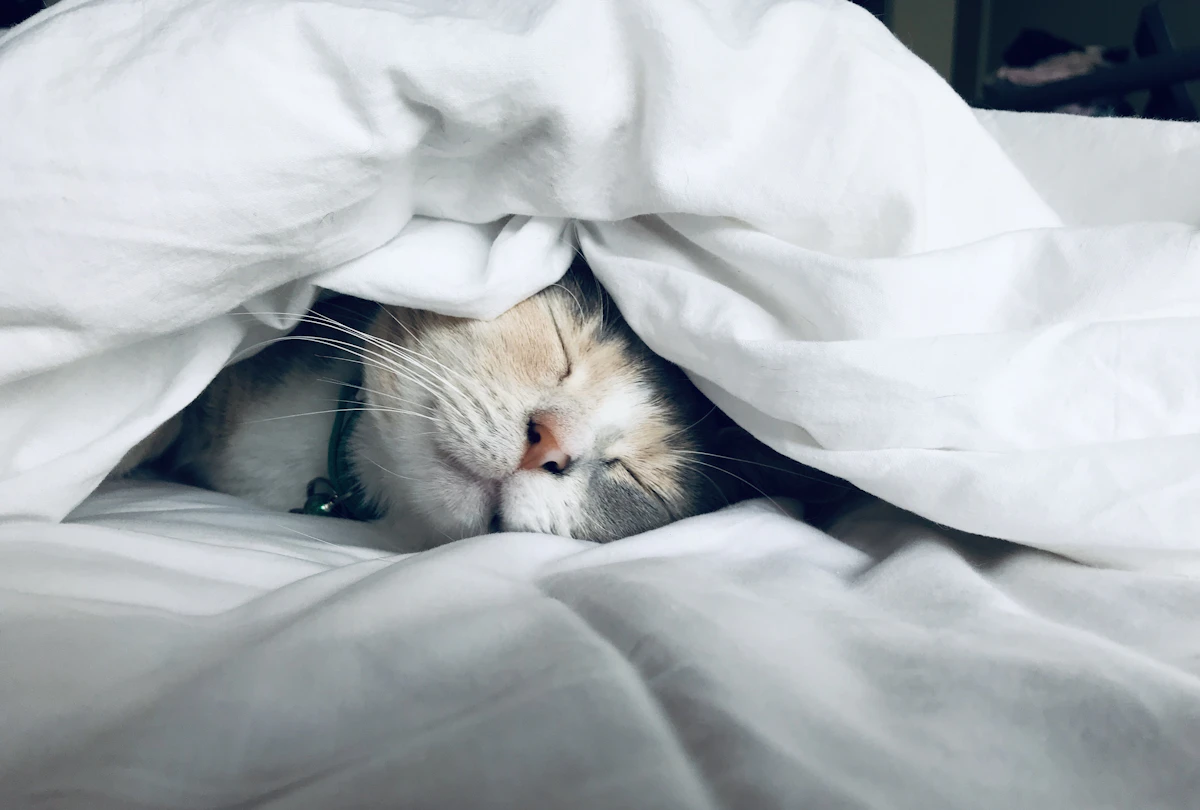
Do Pillows Cause Snoring? It's Complicated
Quick Answer: A pillow can both cause and cure snoring — it depends on height and sleep position. A pillow that is too high forces your chin toward your chest (flexion), narrowing the pharyngeal airway and worsening snoring. A pillow that is too low may allow your head to fall back, also narrowing the airway. The ideal pillow keeps your neck in a neutral position, maximizing airway diameter. For many people, switching to a cervical pillow of correct height reduces snoring by 30–50%. However, a pillow cannot cure snoring caused by obesity, nasal congestion, or sleep apnea — those require medical evaluation.
You snore. Your partner nudges you, you roll over, the snoring stops — until you roll onto your back again. You've tried nasal strips, mouth guards, even those expensive anti‑snore pillows. Do any of them actually work? And can a pillow make snoring worse? The answer is nuanced, but understanding the airway mechanics can help you choose a pillow that reduces — not worsens — your snoring.
The Airway Mechanics: How Pillow Height Affects Snoring
Snoring occurs when airflow through the pharynx (the tube behind your nose and mouth) causes soft tissues (soft palate, uvula, tongue) to vibrate. The narrower the airway, the louder the snoring. Pillow height directly influences airway diameter by altering the position of your head and neck.
- Pillow too high (excessive flexion): Your chin tucks toward your chest. This bends the pharynx, reducing its diameter by up to 40%. The result: louder, more frequent snoring, especially when lying on your back.
- Pillow too low (excessive extension): Your head falls backward, which can also compress the airway from the front, though less severely than flexion. Side sleepers with a pillow that is too low may also have lateral bending, which can asymmetrically narrow the airway.
- Optimal pillow height (neutral alignment): The head is level (side sleepers) or slightly extended (back sleepers). The airway is maximally open, reducing snoring.
A 2018 study in the Journal of Clinical Sleep Medicine used MRI to measure pharyngeal airway diameter in different head positions. Neutral position produced the largest airway; chin tuck (flexion) reduced airway size by an average of 38%.
Do "Anti‑Snore Pillows" Actually Work?
Many pillows marketed as "anti‑snore" have a contoured shape designed to keep your head in a neutral position or slightly extended. Some also have a cutout or wedge to encourage side sleeping (since back sleeping worsens snoring). The evidence:
- Low‑loft cervical pillows: A 2019 trial found that back sleepers using a low cervical pillow (2–3 inches) reduced snoring volume by 44% compared to their usual pillow.
- Side‑sleeping pillows (with cutouts): Encouraging side sleeping is effective for positional snoring, but the pillow itself must have the correct loft for your shoulder width.
- Wedge pillows: Elevating the upper body can reduce snoring by reducing nasal resistance and improving airway patency. They are especially helpful for people with GERD or nasal congestion.
However, not all anti‑snore pillows are equal. Many are simply standard pillows with a "snore" label. Look for pillows with adjustable loft, cervical contour, or side‑sleeping cutouts. Avoid very thick pillows that force chin tuck.
When a Pillow Won't Fix Snoring: Medical Causes
Pillow adjustments are most effective for positional snoring (snoring that occurs primarily when sleeping on your back). If you snore regardless of position, other causes may include:
- Nasal congestion: Allergies, deviated septum, or sinusitis can cause mouth breathing and snoring. A pillow won't fix this, but a humidifier or nasal spray might.
- Obstructive sleep apnea (OSA): Snoring accompanied by gasping, choking, or witnessed pauses in breathing. This requires a sleep study and CPAP or oral appliance therapy. A pillow may help mild positional OSA, but moderate‑to‑severe OSA needs medical treatment.
- Obesity: Excess neck fat directly compresses the pharynx. Weight loss is the primary solution.
- Large tonsils or adenoids: Anatomic obstruction that may require surgery.
If you have witnessed pauses in breathing, excessive daytime sleepiness, or morning headaches, see a sleep specialist — do not rely on a pillow.
How to Choose a Pillow to Reduce Snoring
- Low loft for back sleepers: 2–4 inches. A cervical roll that keeps the chin slightly lifted (not tucked).
- Shoulder‑width loft for side sleepers: 4–6 inches. The pillow must fill the gap without tilting the head up or down.
- Wedge pillow for upper body elevation: 7–10 inches under the shoulders and head. This can reduce snoring by improving nasal airflow and reducing reflux.
- Adjustable shredded foam: Allows you to fine‑tune height to find the exact loft that minimizes snoring.
- Breathable cover: Heat and humidity can worsen nasal congestion; a cool, dry sleeping environment helps.
Side sleeping is the best position to reduce snoring, so any pillow that comfortably allows side sleeping (correct loft) is beneficial.
Simple Test: Does Your Pillow Worsen Snoring?
- Download a snore tracking app (e.g., SnoreLab) and record your snoring for 3 nights with your current pillow.
- Sleep without a pillow (if you are a back sleeper) or with a very thin pillow for 3 nights. Record snoring.
- Compare scores. If snoring decreases significantly without the pillow, your pillow is too high.
- If snoring increases, your pillow may be too low (or you need a different shape).
Once you identify the correct height, buy a pillow that maintains that loft consistently.
Real User Experience: Pillow Change That Stopped Snoring
One reader, a 48‑year‑old man, had snoring that was driving his wife to the guest room. He recorded himself and found he snored mostly on his back. He switched from a high pillow (6 inches) to a low cervical pillow (3 inches). His snoring score dropped by 70% in one week. He also started sleeping on his side more often because the new pillow made side sleeping more comfortable. Within a month, his wife returned to the bedroom. This is not unusual — many cases of positional snoring are dramatically improved by proper pillow selection.
What About CPAP Users?
If you use CPAP for sleep apnea, a pillow can still affect snoring (residual snoring is common). A pillow with cutouts for the mask (CPAP pillows) can reduce mask leaks and improve therapy efficacy. However, the primary treatment remains CPAP. Discuss pillow selection with your sleep specialist.
Get Your Free Anti‑Snore Pillow Guide
Enter your email and we'll send you a printable guide to measuring pillow height for snoring reduction, plus a list of top‑rated anti‑snore pillows.
🔒 We respect your privacy. No spam. Unsubscribe anytime.