
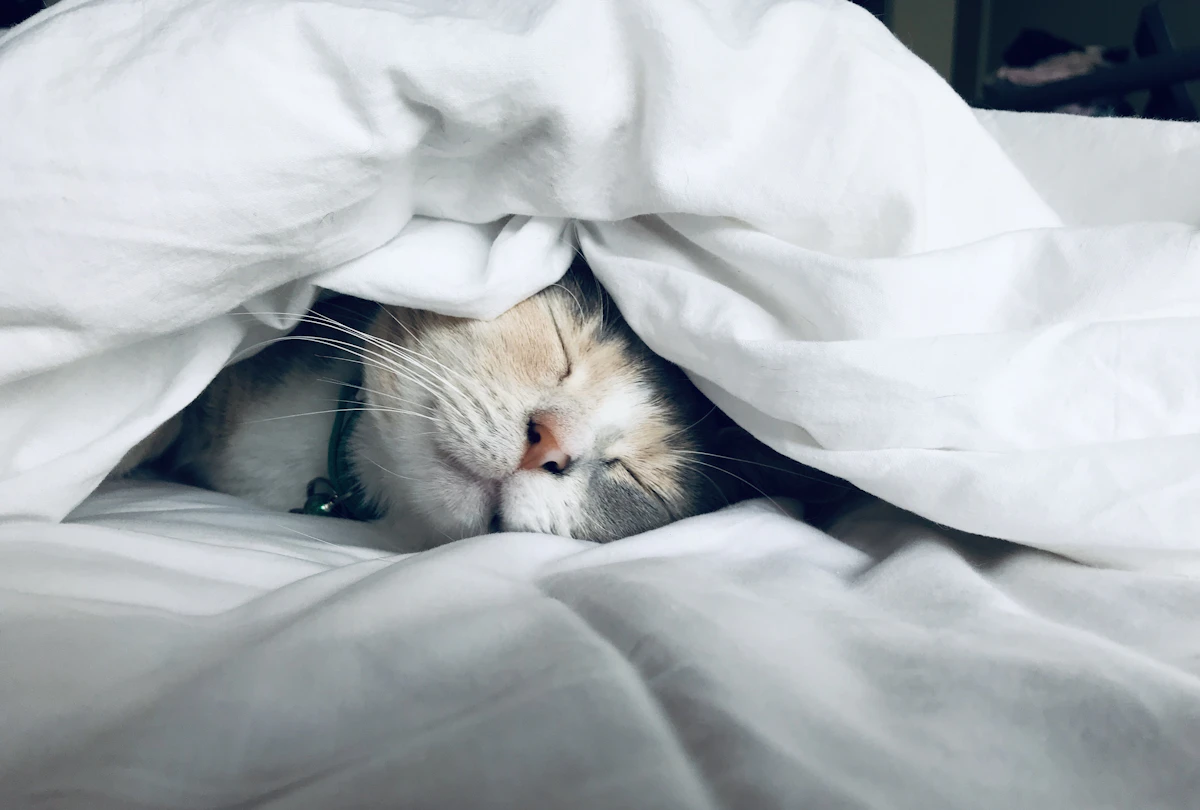
You clean your ears, avoid swimming in dirty water, and yet you still get recurrent ear infections — especially in the morning. Could your pillow be to blame? Many people overlook the fact that they spend 7–9 hours with their ear pressed against a fabric surface that may be teeming with bacteria. Here's the evidence linking pillow hygiene to ear infections and simple steps to protect yourself.
Ear infections are broadly divided into two types: otitis externa (outer ear canal infection, also called swimmer's ear) and otitis media (middle ear infection). Pillows play a more direct role in otitis externa, but can also affect otitis media indirectly.
A 2017 study cultured bacteria from 50 pillowcases that had been used for one week. 89% grew potentially pathogenic bacteria, including methicillin‑resistant S. aureus (MRSA) in 12%. The longer between washes, the higher the bacterial load.
Otitis externa is an infection of the ear canal skin. It is called swimmer's ear because it's often caused by water remaining in the ear after swimming. But you don't need to swim to get it — a sweaty, bacteria‑laden pillow can produce the same effect. Symptoms include itching, redness, pain when pulling on the ear, and discharge. Side sleepers are at highest risk because their ear is pressed against the pillow for hours, sealing in moisture and bacteria.
If you have recurrent otitis externa that resolves with treatment but returns within weeks, a contaminated pillow may be reinfecting you. Changing pillowcases daily and using an antifungal/antibacterial pillow cover can break the cycle.

The link to middle ear infections is less direct but plausible. Allergic inflammation from dust mites can cause eustachian tube dysfunction (ETD) — the tube that connects the middle ear to the back of the throat becomes swollen and fails to drain fluid. Stagnant fluid in the middle ear is a breeding ground for bacteria, leading to chronic otitis media. If you have persistent ear fullness, hearing loss, or recurrent middle ear infections, consider dust mite allergy. Pillows are a major reservoir of dust mite allergens. A hypoallergenic cover and frequent washing can reduce allergen exposure by 80–90%.
If these apply, try a simple experiment: wash your pillowcase daily for two weeks and use a fresh, clean pillow. If ear symptoms decrease, your pillow hygiene was likely a factor.
If you have tympanostomy tubes (ear tubes) or a perforated eardrum, you are at higher risk for otitis media. Avoid getting any water or contaminated material into the ear canal. While a pillow won't directly inject bacteria through a tube, moisture and bacteria on the pillow surface can enter the ear canal more easily. In these cases, strict pillow hygiene is even more critical. Also, consider sleeping on your back to reduce ear‑pillow contact. Consult your otolaryngologist for personalized advice.
Pillow hygiene can reduce ear infection frequency, but it is not a treatment for active infection. If you have:
See a doctor promptly. You may need antibiotic or antifungal ear drops. For recurrent infections, an ENT can evaluate for underlying anatomy (narrow ear canals) or immune issues.
While a pillow is rarely the sole cause of an ear infection, it is an often‑overlooked contributor — especially for recurrent otitis externa and dust‑mite‑mediated eustachian tube dysfunction. Simple hygiene measures (frequent washing, pillow replacement, hypoallergenic covers) can dramatically reduce infection rates. If you are a side sleeper with chronic ear problems, treat your pillow like a piece of medical equipment: keep it clean, keep it dry, and replace it on schedule. Your ears will thank you.
Enter your email and we'll send you a printable weekly washing calendar, plus a list of antimicrobial pillow protectors recommended by ENTs.
🔒 We respect your privacy. No spam. Unsubscribe anytime.